
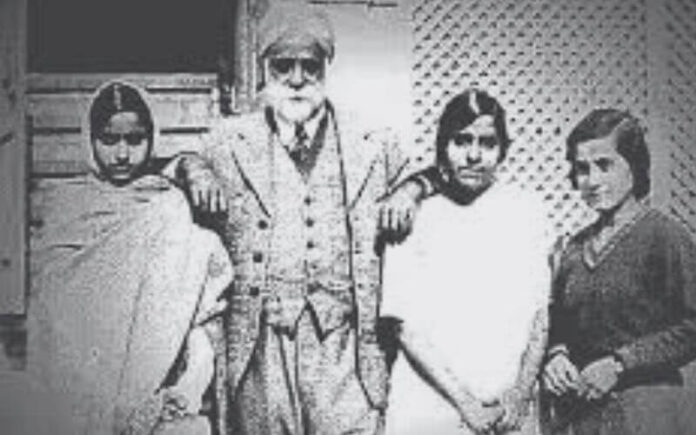
Understanding historical figures like Sardar Khajaan Singh is essential for appreciating regional history. These individuals provide insight into cultural and political landscapes that shaped the places they were part of. Yet, the challenge often lies in tracing their genealogies, particularly when records are scarce or lost over time. This article delves into the life and context of Sardar Khajaan Singh, examining the difficulties in finding detailed historical records and highlighting the importance of local histories.
Lack of Genealogical Records
Despite the availability of genealogical platforms like MyHeritage, detailed records for figures like Sardar Khajaan Singh remain elusive. This absence of information points to broader challenges in historical genealogy often due to inadequate documentation or losses over time.
Genealogical research, especially for regional historical figures, requires a comprehensive approach that includes local records and archives. If you’re facing similar obstacles, consider contacting local historians or exploring regional archives.
Notable Personalities Named Khajaan Singh
Multiple individuals have carried the name “Khajaan Singh,” contributing to various fields. For instance, Khajan Singh, an acclaimed Indian swimmer born in 1964, is known for his remarkable achievements, including a silver medal at the 1986 Asian Games.
However, it’s important to differentiate him from Sardar Khajaan Singh, as his story pertains to sports, separate from any historical genealogical context. Focus on identifying the correct individual when researching historical figures to ensure clarity and accuracy.
Local Historical Figures
Unlike many with the name Khajaan Singh, Sardar Khajan Singh Sekhon left a mark on regional history as the founder of Gobindgarh. He was not just a landholder but a pivotal character in local politics, having been granted 22 villages as Zail.
His legacy continued with his grandson, Sardar Prem Singh Sekhon. Understanding these local histories provides crucial insights into regional developments that shaped the political and social landscapes.
Sardar Khajan Singh in Princely Politics
In the late 18th century, princely politics were complex and often turbulent. Sardar Khajan Singh emerges in historical records as a notable landholder. His influence and holdings played a part when Jodh Singh, ruler of Kalsia, captured Dera Basi.
This event illustrates the shifting power dynamics and territorial conflicts of the time, highlighting the roles individuals like Sardar Khajan Singh played in shaping history.
Exploring Regional Histories
Focusing on regional histories can greatly aid in reconstructing genealogies. Local archives, oral histories, and regional documents often preserve information that broader databases miss.
When pursuing such research, start by identifying key sources like regional libraries or historical societies. Engage with local historians and explore community events or records that might not be digitized, as these can provide invaluable insights into historical genealogies.
Other Unrelated Mentions
Occasionally, you may encounter references to individuals named Khajaan Singh who don’t pertain to your genealogical inquiries. For instance, Sardar Khazan Singh Suri, linked to the lineage of Bollywood legend Amitabh Bachchan, appears unrelated to our focus on Sardar Khajaan Singh. Being able to discern between relevant and irrelevant mentions ensures you stay on track in your research endeavors.
Conclusion
The journey through historical genealogies is often fraught with challenges yet remains a rewarding endeavor. While platforms like MyHeritage may not provide comprehensive records for figures like Sardar Khajaan Singh, local archives and historians often hold the keys to uncovering their stories. By pursuing regional research and leveraging local resources, you’ll open pathways to understanding and preserving the rich history that these figures represent.
FAQs or Tips for Further Research
1. Where to start with genealogical research?
Begin with local archives and libraries. Regional historical societies can also provide leads and access to records.
2. How can I contact historians for help?
Reach out to university departments or local history groups. They often have experts willing to guide your research.
3. Tip for archival research:
Bring a digital camera or smartphone to document records and take notes diligently to avoid losing vital information.
For more insights on historical research and accessing genealogical resources, consider exploring different regional history websites and academic journals. They often provide a wealth of information and methodologies for uncovering elusive historical genealogies. For additional guidance on sourcing local historical records, explore this resource for practical advice and support.
Also Read:

