
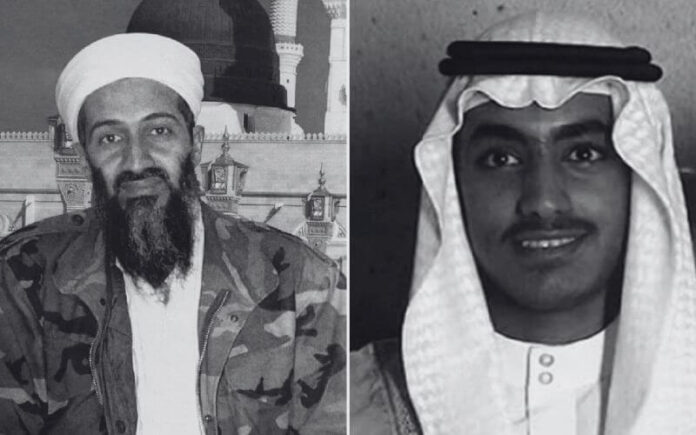
Khairiah Sabar is a name closely tied to one of modern history’s most notorious figures, Osama bin Laden. Known within the al-Qaeda network and the extended bin Laden family, Khairiah’s influence stemmed not from participation in violent acts but from her roles as a wife, mother, and educator. Her connection to Osama bin Laden positioned her in a unique sphere of influence where she provided stability and counsel during tumultuous times.
Marriage to Osama bin Laden
Khairiah Sabar embarked on her journey with Osama bin Laden at a time that defied conventional expectations. In her mid-30s, an age often considered late for marriage in Saudi Arabian society, she wed Osama. This partnership was not without challenges. She faced significant health issues and difficulties with conception, having endured multiple miscarriages. Hamza bin Laden became her only child with Osama. Despite these personal trials, her marriage underscored a critical alliance within al-Qaeda’s inner circle, emphasizing her position in Osama’s life beyond the domestic sphere.
Focus on understanding how unusual choices and internal family dynamics can impact leadership structures. It’s vital not only to recognize the surface story but to dig deeper into individual roles and treat relationships with the seriousness they deserve.
Role as Mother of Hamza bin Laden
Khairiah’s influence extended prominently through her role as the mother of Hamza bin Laden, a significant player in al-Qaeda’s operations. Hamza, seen by many within the organization as a potential leader, inherited not just a name but also a legacy intertwined with the group’s future. Her nurturing and counseling perhaps set the foundation for Hamza’s heightened profile within al-Qaeda. By understanding the intricacies of his upbringing, we get a glimpse into al-Qaeda’s leadership pipeline and how family roles influence organizational strategies.
This encourages us to balance expectations with reality, appreciating how personal dynamics like motherhood can intersect with leadership trajectories.
Educational Background and Family Influence
Khairiah’s educational background played an essential role within her family and the broader al-Qaeda circle. With training in areas that aided in addressing developmental disorders, she supported family members and children who needed guidance the most. She earned respect for her level-headedness and reputation for providing wise counsel. Her knowledge became an anchor for stability, providing a base during periods marked by instability and exile.
Key takeaway: Your education and experience can provide value beyond formal settings, allowing you to address family needs and organizational challenges. As you scale your operations, consider the informal roles that shape your team’s cohesion and resilience.
Key Contributions During Exile
During the bin Laden family’s exile, first in Sudan and later in Afghanistan, Khairiah assumed vital roles that kept the community intact. She introduced informal schooling for al-Qaeda members’ families, emphasizing education’s necessity even amid upheaval. Furthermore, her religious teachings and marriage counseling offered both spiritual guidance and personal support, ensuring the community remained focused and cohesive.
Focus on integrating educational initiatives with community needs—building internal strengths that a group can draw upon during uncertain times. Here we learn the critical importance of informal leadership and self-sustaining education for long-term survival and stability.
Influence on Al-Qaeda’s Inner Circle
Khairiah’s stabilizing influence is a testament to the power of calm and measured guidance. Her presence within al-Qaeda’s inner circle helped in maintaining its structure during crises. Osama’s closest associates recognized her impact, attributing the sustained cohesion of the group, in part, to her sound advice and calming presence.
For leaders, this highlights the importance of soft skills like empathy and wisdom in high-stress environments. Review how these influence organizational outcomes and bolster success, especially during challenging times, without resorting to high-pressure tactics.
As groups scale, investing in strong, stabilizing influences can preserve the core team’s focus and integrity.
Conclusion
Khairiah Sabar’s story, though not widely publicized, reveals the power of non-operational roles within significant movements like al-Qaeda. Her contributions through education, counseling, and mothering shaped internal dynamics and informed broader strategies. As Umm Hamza, her legacy continued through her son, reflecting the ongoing impact of family in high-stake environments.
Did you know? Beyond her influential role, there is no public record of Khairiah’s direct involvement in any operational activities of al-Qaeda. Her story serves as a reminder of how indirect influence can shape ideologies and decisions.
Key takeaway: In high-stakes scenarios, advisory roles grounded in education and family support can wield influence as significant as any operational position. Learn more about the impact of these roles in various organizational settings at finchbusinessmag.com.
Using Khairiah’s narrative, operational leaders can reflect on the importance of nurturing internal structures that emphasize counsel and stability, enriching their organizations beyond mere numbers and tactical victories.
Also Read:

