
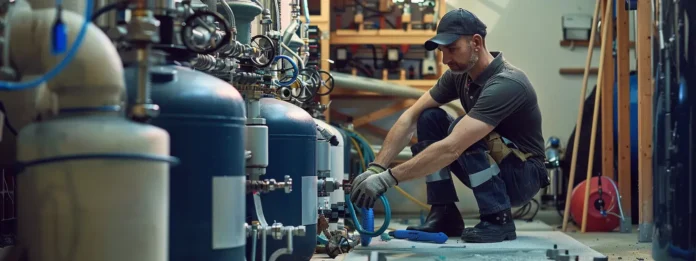
When it comes to maintaining a home, plumbing issues are often unavoidable. Yet, the profession of plumbing is shrouded in myths and misconceptions that can influence homeowners’ decisions. Many envision a plumber solely as an emergency responder for leaky pipes and clogged toilets, but the trade is much more extensive. Understanding the truth behind these common fallacies is crucial in preventing plumbing disasters and ensuring your home remains in top condition. Below, we unravel the myths and lay bare the realities of professional plumbing.
Unclogging the Myths: Debunking Common Misconceptions About Plumbers
Plumbers are often mischaracterized as overcharging or limited to minor fixes, but the reality is far more professional. A reputable plumber Atlanta evaluates problems carefully and delivers targeted, cost-aware solutions, drawing on broad expertise that goes well beyond toilets and leaks.
Modern plumbers are highly trained tradespeople, skilled in complex systems like water heaters, treatment systems, and smart plumbing, while ensuring compliance with building codes. Through rigorous apprenticeships and certification, they develop deep technical knowledge and typically work with care and cleanliness, leaving job sites orderly and professional.
The Realities of Plumbing Work: Expertise Beyond the Plunger
Plumbing is often mistaken for brute labor, yet it is an intricate, analytical trade that requires system-level understanding. Skilled plumbers function like diagnosticians, interpreting a building’s circulatory network to identify hidden faults. Problems such as low water pressure demand careful elimination across the supply line, mains, appliances, and fixtures, transforming a simple symptom into a complex investigation.
The profession also requires continuous learning as residential technology evolves, with modern solutions including tankless heaters and advanced leak detection. Professional service extends beyond repairs through preventive maintenance and informed inspections that reduce risk. Proactive care helps homeowners avoid costly emergencies while ensuring efficiency, safety, and long-term performance of household plumbing systems.
Evaluating the Cost of Plumbing Services: Investment or Expense?
Plumbing costs are often misunderstood as mere expenses, when they should be viewed as investments in a property’s durability and value. Professional plumbing safeguards vital systems, extending their lifespan and preventing hidden structural issues. Pricing reflects the high level of skill required, as plumbers handle complex tasks such as precise pipe installations and gas line calibration, supported by years of training and hands-on experience.
Hiring qualified professionals also reduces long-term expenses, since poor workmanship or failed DIY repairs frequently lead to larger, costlier problems. Ignoring professional help can be even more expensive, as unchecked leaks or sewer failures may cause severe property damage that far exceeds the cost of timely, expert service.
DIY Plumbing Fixes vs. Professional Expertise: When to Call a Plumber

Homeowners can handle minor plumbing tasks such as clearing slow drains or replacing fixtures, but many situations demand professional expertise. Identifying serious plumbing issues early helps avoid damage that can lead to costly, extensive repairs. Complex jobs, including sewer line repairs, water heater replacement, and bathroom remodeling, involve safety risks, technical systems, and regulatory requirements beyond typical DIY knowledge.
While online tutorials may explain basic procedures, they cannot substitute for hands-on experience and specialized training. Licensed plumbers bring advanced tools, practical judgment, and problem-solving skills that improve efficiency and safety during repairs. Hiring a professional also offers reassurance, as workmanship is commonly backed by service guarantees that help protect homeowners from recurring issues tied to recent plumbing work.
How to Choose the Right Plumber: Essential Qualities and Credentials
Selecting the right plumber goes beyond finding someone who can merely fit the bill. Look for professionals who are licensed and insured; these credentials are not only indicators of legitimacy but also provide a safety net for homeowners should accidents occur during a plumbing job. Reputation and references are also crucial factors to consider in your selection. A plumber with glowing reviews and recommendations is more likely to deliver satisfactory service, even better if the plumber is recognized by established trade organizations or holds certifications showcasing specialized expertise.
Do not hesitate to ask questions about a plumber’s experience with your particular issue. Whether it’s a traditional task or something more innovative like green plumbing solutions, determining expertise in the specific area you need is important for achieving the best results. Transparency is key. A good plumber will always be clear about the scope of work, pricing, and timelines. This level of communication not only builds trust but also helps in setting realistic expectations for the job at hand.
Altogether, understanding the value and effectiveness of professional plumbers allows homeowners to make informed decisions about their property’s maintenance. When equipped with the right knowledge, choosing a plumber becomes a strategic move to preserve and enhance one’s home.

